automotive hardness testing

Automotive Hardness Testing

Indentec helps supply and calibrate for Automotive hardness testing 

In the automotive industry, hardness testing is a cornerstone of quality control. It ensures materials meet the stringent requirements for strength, durability, and wear resistance essential for vehicle safety and performance. By measuring resistance to permanent deformation or indentation, hardness testing helps assess a material’s capacity to withstand the demands of automotive applications.

At Indentec, we provide automotive hardness testing solutions that are suited to support manufacturers, suppliers and quality control teams. We help meet the strictest industry standards, so you can be confident in your measurements when it comes to engine components or transmission systems. 

Shop now

The Importance of Hardness Testing in the Automotive Industry

Material testing is crucial within the automotive industry as components are exposed to continuous stress and friction within varying environments. To ensure vehicle safety and longevity, you have to be confident in the materials. This is why hardness testing is a crucial step within the manufacturing process for automotive businesses.

By ensuring that the components are meeting the required hardness specifications, manufactures can reduce any risks and achieve consistent product quality.

Understanding Automotive Hardness Testing

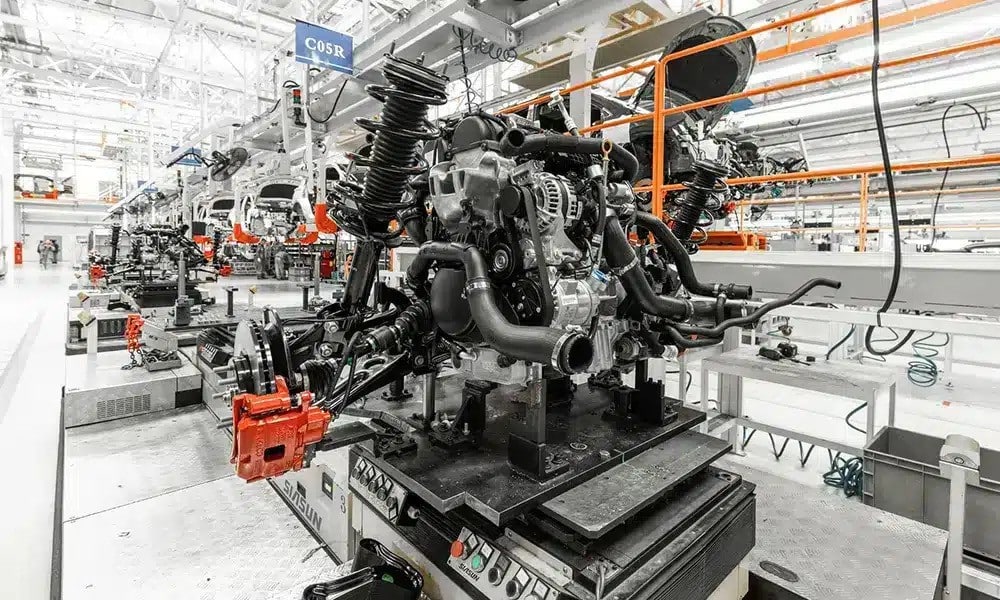
Hardness testing evaluates a material’s ability to resist scratches, cutting, or abrasion, properties vital for automotive components subjected to high stress and wear. From engine parts to transmission systems, brakes, and suspension components, automotive hardness testing verifies that materials can endure extreme conditions without compromising safety or functionality.

In automotive manufacturing, hardness testing is applied at various stages, including:

  • Raw material inspection: Ensures incoming materials meet required hardness levels.
  • Production phase: Confirms consistency and durability during processing.
  • Final quality checks: Detects defects before components are deployed, safeguarding reliability.

Choosing the Right Automotive Hardness Testing Method

Selecting the best hardness test for automotive materials depends on several factors:

  • Material type and properties: Hardness, grain structure, and ductility must align with application needs.
  • Component size and geometry: Different testing methods are suited for specific shapes, sizes, or surface types.
Shop Today For Quick Delivery!
  • Testing criteria: Requirements for speed, accuracy, and destructive vs. non-destructive testing influence the choice.
  • Industry standards: Compliance with ISO, ASTM, or other automotive-specific standards ensures reliable results.

With the development of electric vehicles, lightweight materials and other evolutions within the automotive industry, the need for precise material testing is more important than ever. Hardness testing is a key tool within the automotive industry to meet the demands of modern vehicle manufacturing.

Applications of Hardness Testing in the Automotive Sector

Hardness testing is used across a wide range of automotive components and systems, including:

Engine Components: Engine parts such as crankshafts, camshafts, valves, and pistons must withstand high temperatures and mechanical stress. Hardness testing ensures these components maintain the required strength and wear resistance for long-term performance.

Transmission and Drivetrain Systems: Gears, shafts, bearings, and other drivetrain components rely on precise hardness levels to ensure efficient power transfer and resistance to wear. Hardness testing is critical for validating heat treatment processes and ensuring durability.

Structural and Safety Components: Chassis parts, suspension systems, and safety-critical components must meet strict mechanical performance standards. Hardness testing helps ensure these materials provide the required strength and resilience under load.

Fasteners and Small Components: Bolts, nuts, and other fasteners play a vital role in vehicle assembly and safety. Hardness testing ensures these components meet specifications and perform reliably in demanding conditions.

Surface Treatments and Coatings: Many automotive components are treated with coatings to improve wear resistance, corrosion protection, and performance. Microhardness testing is commonly used to evaluate coating thickness, adhesion, and effectiveness.

Automotive Hardness Testing Methods

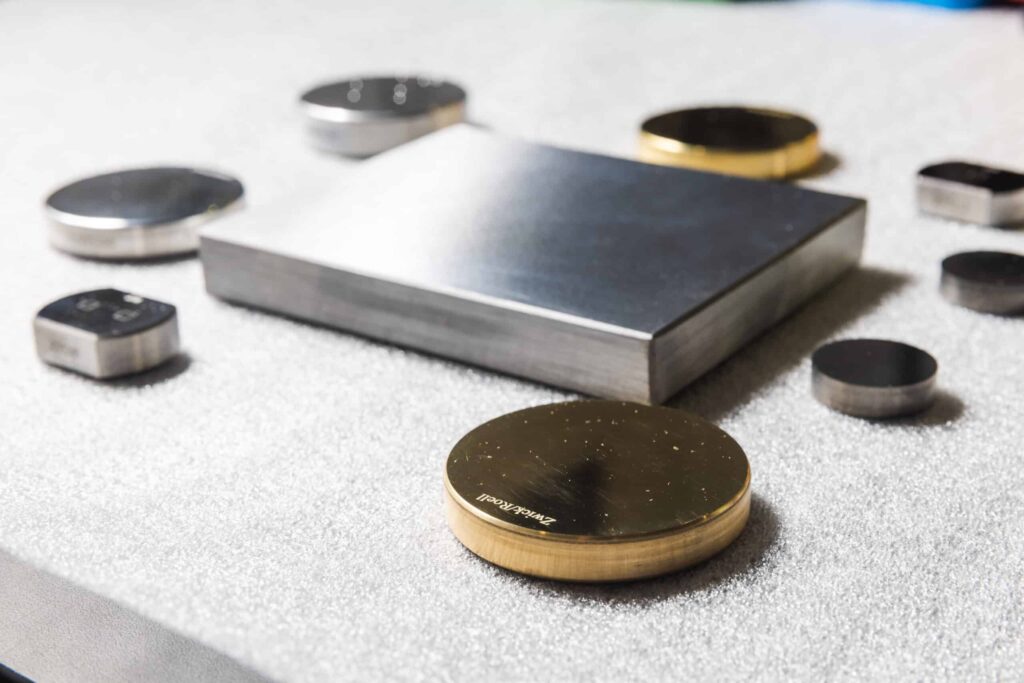
Several hardness testing methods are widely used in the automotive sector. These include Rockwell (HRC), Brinell (HB), and Vickers (HV), each suited to specific applications. Indentec has a range of hardness testing solutions for the demanding requirements of the automotive industry. Our hardness test blocks range from Rockwell, Brinell and Vickers.

Rockwell Hardness Test (HRC, HRB, etc.)

A go-to method in automotive manufacturing, the Rockwell test is ideal for assessing finished parts with minimal damage. Its shallow indentations and fast results make it a practical choice for production lines. Rockwell hardness testing is one of the most commonly used methods in automotive manufacturing. It provides fast, reliable results, making it ideal for high-volume production environments and routine quality control.

  • Applications: Steel components, aluminium alloys, brass fittings.
  • Benefits: Non-destructive, versatile, and quick, offering reliable precision with diamond-tipped indenters.
  • Limitations: Not ideal for thin or irregularly shaped materials.
SHOP OUR BLOCKS NOW
Automotive Industry Test Blocks

Brinell Hardness Test (HB)

The Brinell method excels in testing larger or coarse-grained materials common in heavy automotive components. It is suitable for parts like engine blocks, forged parts, and wheels. Brinell hardness testing is well suited to larger components and softer materials, such as castings and forgings. It provides dependable results where larger indentation sizes are required.

  • Applications: Cast iron, low-carbon steel, copper alloys, and aluminium.
  • Benefits: Effective for bulk and coarse-grain materials.
  • Limitations: Requires more time than Rockwell and is unsuitable for smaller components.

Vickers Hardness Test (HV)

The Vickers test is a top choice for thin materials, coatings, and microhardness evaluations, making it ideal for high-precision automotive parts. Vickers hardness testing is widely used in automotive applications due to its versatility and precision. It is particularly effective for testing surface-treated components, case-hardened materials, and coatings.

  • Applications: Thin metals, alloys, plastics, and ceramic coatings.
  • Benefits: Accurate for delicate or brittle materials, perfect for detailed quality control.
  • Limitations: Time-intensive and requires polished surfaces for accurate results.
SHOP OUR BLOCKS NOW

Why Choose Indentec for Automotive Hardness Testing?

Indentec, part of the ZwickRoell Group, is a trusted partner for automotive manufacturers worldwide. With decades of experience, we provide top-quality hardness testing products and services tailored to the needs of the automotive industry.

  • High-quality test blocks: Certified for accuracy and reliability.
  • Next-day delivery: Minimise downtime with fast shipping.
  • Competitive pricing: Exceptional value without compromise on quality.
  • Expert support: Our knowledgeable team is ready to assist with any questions or requirements.

Contact Us Today!

Enhance your automotive manufacturing quality control with Indentec’s reliable automotive hardness testing solutions. Let us help you drive excellence and safety in every component. Our expertise and range of hardness testing equipment allow you to ensure your processes deliver the results you need at every stage of automotive production. 

Contact the team at Indentec today to find out more about how our automotive hardness testing solutions can help you and meet your specific requirements. 

Contact us today for more information