Engineering hardness testing

Engineering Hardness Testing

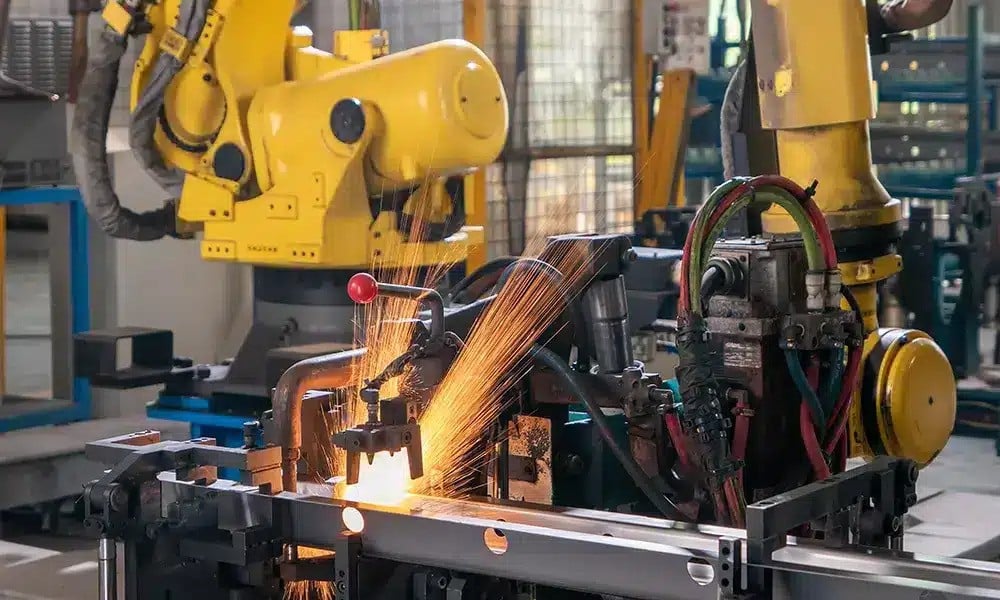
Engineering hardness testing plays a crucial role in evaluating the durability and strength of materials. By assessing a material’s resistance to deformation or indentation, industries can ensure product reliability, longevity, and safety. Engineering hardness testing allows manufacturers and quality assurance teams to assess the material’s performance before applying it across a wide range of engineering applications.

Indentec provides engineering hardness testing solutions that support heavy industry and precision manufacturing environments where accuracy is key. Our range of hardness test blocks and calibration services plays a vital role in ensuring product quality, whether that’s structural components and machined parts to specialist alloys or surface-treated materials.

Shop now

The Importance of Hardness Testing in Engineering

Materials used in engineering applications must perform in a variety of circumstances, such as mechanical stress and temperature fluctuations depending on the exposure to the environment. Hardness testing offers a reliable way to assess a material’s resistance to wear and abrasion, both important characteristics that have a direct bearing on longevity and performance.

Hardness testing helps to confirm that materials adhere to industry standards and design criteria. Validating production processes including heat treatment, welding, machining, and coating application is very crucial. Engineers can guarantee that components will function as intended and spot any irregularities before they cause failure by precisely assessing hardness.


Understanding Engineering Hardness Testing

Hardness testing determines how well a material resists permanent deformation, including wear, scratches, or abrasion. This characteristic is vital across various engineering sectors to maintain quality standards and optimise performance.

From structural components to precision manufacturing, engineering hardness testing is utilised at different production stages. Whether assessing raw materials for compliance or performing final quality checks, hardness testing helps eliminate defective products and ensure consistency.

Factors to Consider When Selecting an Engineering Hardness Test

Selecting the right hardness testing method depends on several key factors, including:

  • Material properties – Hardness level, grain structure, and ductility impact the choice of test.
  • Component size and shape – Some tests suit small or irregularly shaped parts better than others.
Shop Today For Quick Delivery!
  • Testing conditions – Speed, temperature, and accuracy requirements influence method selection.
  • Industry standards – Compliance with ISO, ASTM, and other regulations may dictate the appropriate test.

Accurate material testing is becoming increasingly crucial as engineering sectors develop new materials, adopt sophisticated manufacturing processes, and meet higher performance requirements. To ensure that materials fulfil the necessary requirements and function reliably in practical applications, hardness testing remains a crucial tool.

Our hardness testing solutions allow manufacturers to uphold the highest standards of quality, efficiency, and performance. Indentec is dedicated to fostering engineering innovation.

Applications of Engineering Hardness Testing

Hardness testing is applied across a wide range of engineering disciplines and components, including:

Structural Components: Engineering structures, frameworks, and load-bearing components must meet strict performance requirements. Hardness testing ensures that materials provide the necessary strength and durability to withstand operational stresses.

Precision Machined Parts: Components produced through machining processes require consistent material properties to ensure accuracy and reliability. Hardness testing helps verify that these parts meet exact specifications.

Forgings and Castings: Forged and cast materials are widely used in engineering applications. Hardness testing is essential for confirming that heat treatment processes have produced the required hardness profile and material integrity.

Tools and Wear Components: Components such as cutting tools and dies rely on precise hardness levels to perform effectively. Hardness testing ensures these components maintain their performance over time.

Surface Treatments and Coatings: Engineering components are often treated to enhance wear resistance or corrosion protection. Microhardness testing methods are used to evaluate coating thickness, adhesion, and effectiveness.

Engineering Hardness Testing Methods

Various testing techniques are used in engineering to measure material hardness effectively. The most common methods include Rockwell (HRC), Vickers (HV), Brinell (HB) and Knoop, each suited for different applications and materials.

Rockwell Hardness Test (HRC, HRB, etc.)

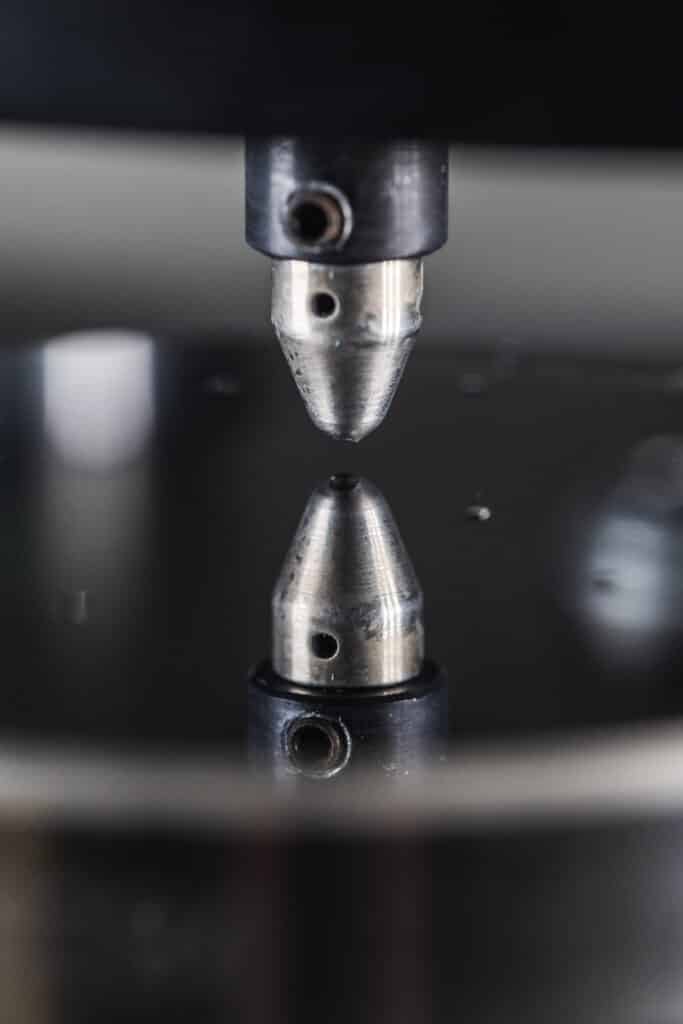
Rockwell hardness testing is widely used in engineering due to its quick, non-destructive nature. It provides reliable measurements with minimal surface damage, making it ideal for finished components. Rockwell hardness testing is widely used in engineering due to its speed and efficiency. It provides reliable results with minimal surface preparation, making it ideal for production environments and finished components.

  • Applications: Steel, aluminium, brass.
  • Benefits: Fast, easy to perform, suitable for a variety of materials, and offers high accuracy due to its diamond-tipped indenters.
  • Limitations: Less suitable for thin or irregularly shaped materials.
SHOP OUR BLOCKS NOW
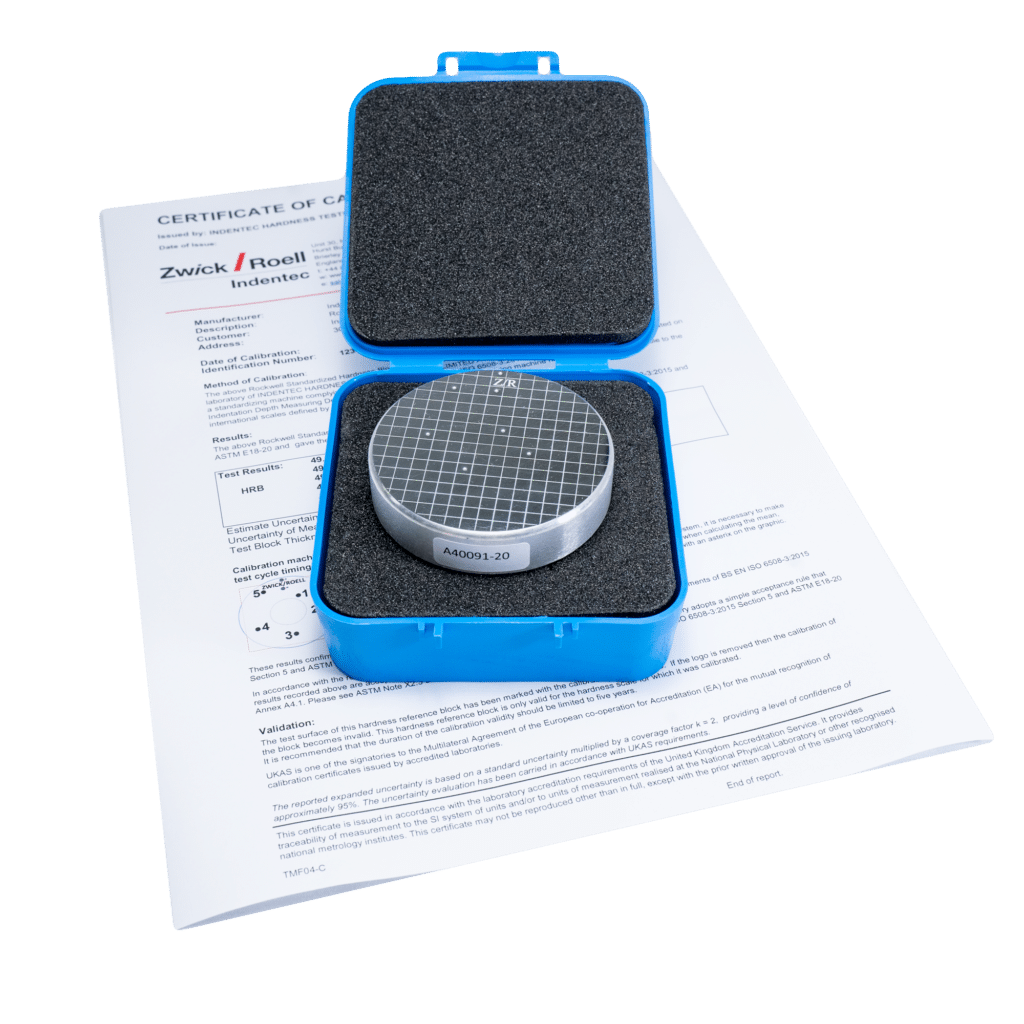
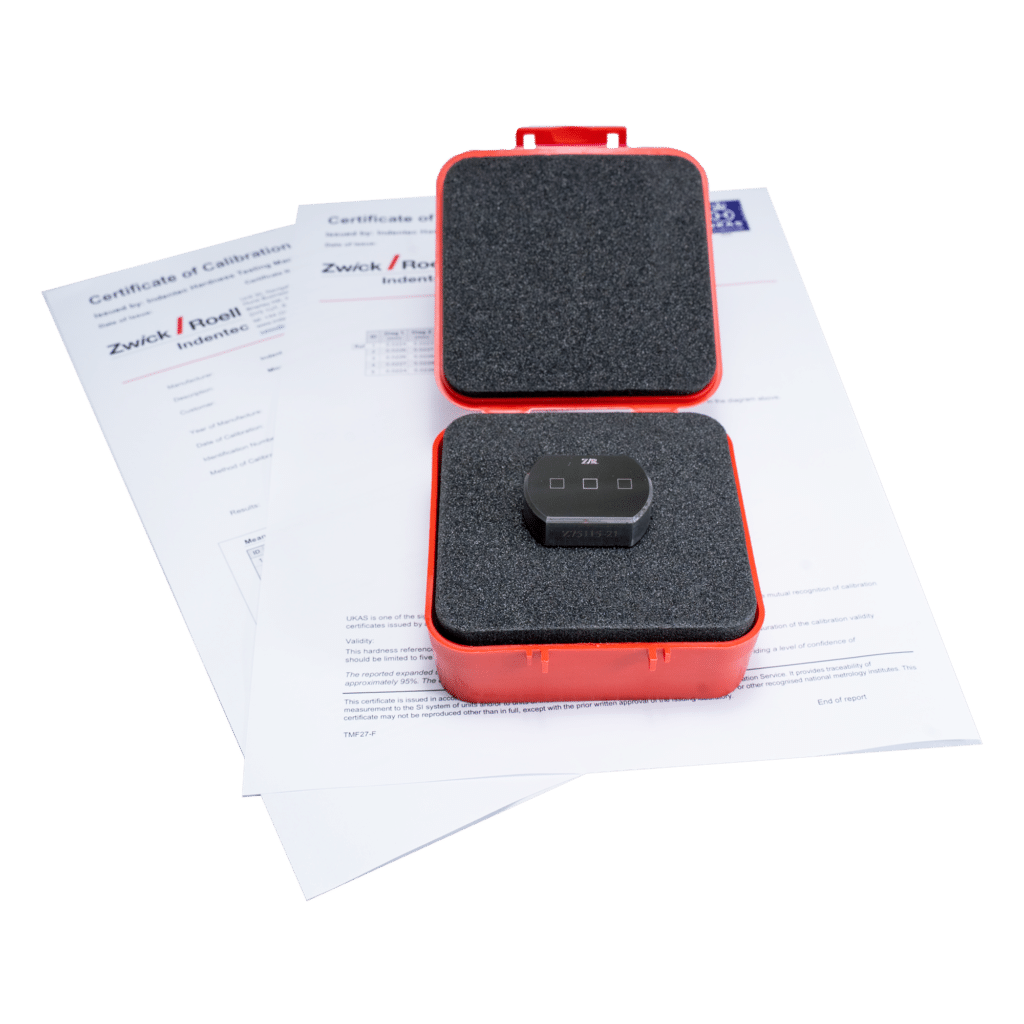
hardness test blocks for engineering applications

Brinell Hardness Test (HB)

Brinell hardness testing is ideal for large, coarse-grained materials, making it useful in industries such as casting and heavy manufacturing. Brinell hardness testing is particularly suited to large components and coarse-grained materials, such as castings and forgings. It is commonly used in heavy engineering and structural applications.

  • Applications: Cast iron, low carbon steel, aluminium, copper, some plastics.
  • Benefits: Effective for testing bulk materials with coarse structures.
  • Limitations: Takes longer than Rockwell testing and isn’t ideal for small or thin materials.

Vickers Hardness Test (HV)

Vickers testing is highly precise and suitable for microhardness applications, making it valuable for engineering components requiring detailed material analysis. Vickers hardness testing offers high precision and versatility, making it suitable for a wide range of materials, including metals, alloys, and ceramics. It is frequently used for detailed material analysis and microhardness testing.

  • Applications: Metals, alloys, ceramics, plastics.
  • Benefits: Suitable for microhardness evaluation, including thin coatings and delicate materials.
  • Limitations: Requires more time and polished surfaces for accurate results.

Knoop Hardness Test (HK)

Knoop hardness testing is designed for very small or thin materials, making it ideal for microhardness assessments in precision engineering and research applications. Knoop hardness testing is ideal for thin materials, coatings, and small components. It enables highly accurate measurement without causing significant damage, making it valuable in precision engineering and research applications.

  • Applications: Thin coatings, small parts, ceramics, glass, and composites.
  • Benefits: Highly precise, requires minimal material, and is excellent for microhardness analysis.
  • Limitations: Not suitable for bulk materials and requires a polished surface for accurate readings.
SHOP OUR BLOCKS NOW

Why Choose Indentec for Your Engineering Hardness Testing Needs?

As part of the ZwickRoell Group, Indentec brings decades of expertise in hardness testing solutions. We offer high-quality, reliable testing equipment with next-day delivery and competitive pricing. Our expertise, advanced technology, and commitment to quality ensure that your hardness testing processes deliver dependable results at every stage.

For more details on our products and how we can support your engineering needs, get in touch with our team. We are happy to assist with any queries.


Contact us today for more information