manufacturing hardness testing West Midlands

Manufacturing Hardness Testing

Manufacturing hardness testing is crucial for quality control of materials. It measures their resistance to permanent deformation or indentation, evaluating the material’s wear resistance, strength and ductility.

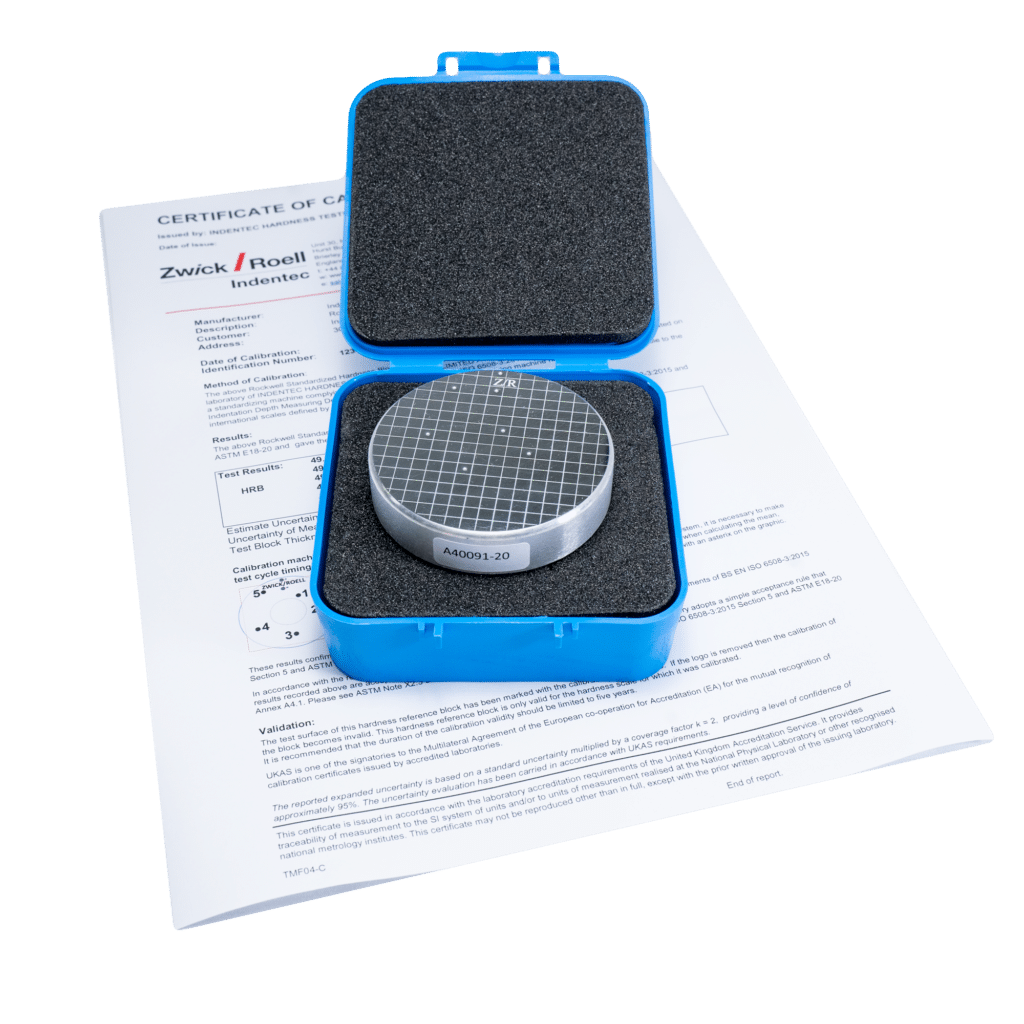
Indentec have a range of manufacturing hardness testing solutions to support manufacturers across a range of different industries. Reference blocks and calibration services are essential for manufacturers who require precise and repeatable results, especially in fast-paced sectors who work against high demands. Whether you are involved in mass production, component fabrication, or specialist manufacturing processes, Indentec delivers the expertise and technology needed to ensure reliable hardness testing outcomes.


Shop now

The Importance of Hardness Testing in Manufacturing

Material testing is essential in manufacturing to guarantee that components function as intended when going through harsh environments. Hardness testing methods such as hardness test blocks and calibration services offer important information about the material’s strength, resistance to wear, and general durability.

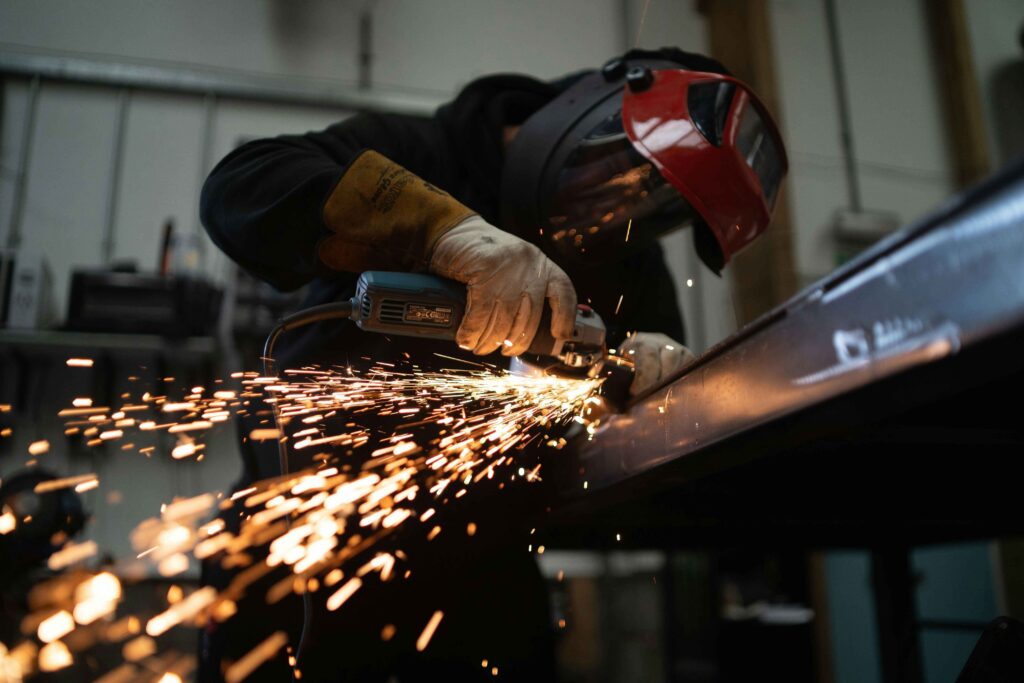
Material hardness can be affected by manufacturing techniques such casting, welding, forging, machining, and heat treatment. Inconsistencies may go unnoticed without thorough testing, which could result in poor performance, defective products, or even service failure. Manufacturers can keep a careful eye on these procedures thanks to hardness testing, which guarantees that each component satisfies the necessary requirements.

 

Understanding Manufacturing Hardness Testing

Hardness testing refers to the power that a material is capable to withstand permanent deformation, including scratches, cutting, or abrasion. This is a crucial property in various industries, and particularly for the manufacturing industries in order to provide reliable quality control of materials.

Hardness testing can be used in the production of industrial machinery, transmission systems, transport, and more. Manufacturing hardness testing can be used in different phases of production, be it for testing raw materials to test its acceptability, as well as in the final checks of a product to discard defective products.

What to Consider When Choosing a Hardness Test for Your Manufacturing

When it comes to choosing the most suitable hardness test for your manufacturing, there are a few factors to consider. They include:

  • Material type and composition – This includes the hardness level of the material, grain structure (if coarse-grained or not), or if ductile.
  • Product size and shape – Each hardness testing method can test a range of materials, but depending on the size (small or big), or if oddly shaped or not, the testing method will vary.
Shop Today For Quick Delivery!
  • Testing requirements – Speed, temperature, if destructive or non-destructive test needed, and how accurate are requirements that need to be considered.
  • Industry specific requirements – Some methods meet industry standards (e.g. ISO, ASTM, etc), which may be essential for some manufacturing hardness testing.

Accurate material testing is becoming more and more crucial within the manufacturing industry as changes with the use of automation, sophisticated materials, and precision engineering methods are continuously developing. In order to make sure that materials and components satisfy the requirements of contemporary production, hardness testing is still an essential component.

By offering dependable hardness testing solutions that assist companies in increasing productivity and producing better goods, Indentec is dedicated to promoting manufacturing innovation.

Applications of Manufacturing Hardness Testing

Hardness testing is used extensively across manufacturing environments to support a wide range of applications:

Raw Material Inspection: Before production begins, manufacturers must run checks to ensure that incoming materials meet specified hardness requirements. This ensures consistency in the manufacturing process and prevents issues further down the production line.

In-Process Quality Control: During manufacturing, hardness testing is used to monitor key processes such as heat treatment and machining. This allows manufacturers to identify variations early and make adjustments in real time.

Finished Component Verification: Once production is complete, hardness testing ensures that final components meet design specifications and performance requirements before being released for use.

Heat Treatment Validation: Processes such as quenching, tempering, and case hardening are critical to achieving the desired material properties. Hardness testing confirms that these treatments have been applied correctly.

Wear-Resistant Components: Components subject to friction and wear, such as tools, dies, and mechanical parts, require precise hardness levels to ensure long-term performance. Testing verifies that these components meet durability requirements.

Manufacturing Hardness Testing Methods

There are a few types of material hardness testing available, including Rockwell (HRC), Vickers (HV), Brinell (HB) and Knoop. These will measure different types of dentations, hardness, and materials, being Brinell, Rockwell and Vicker the most common manufacturing hardness testing methods.


Rockwell Hardness Test (HRC, HRB, etc.)

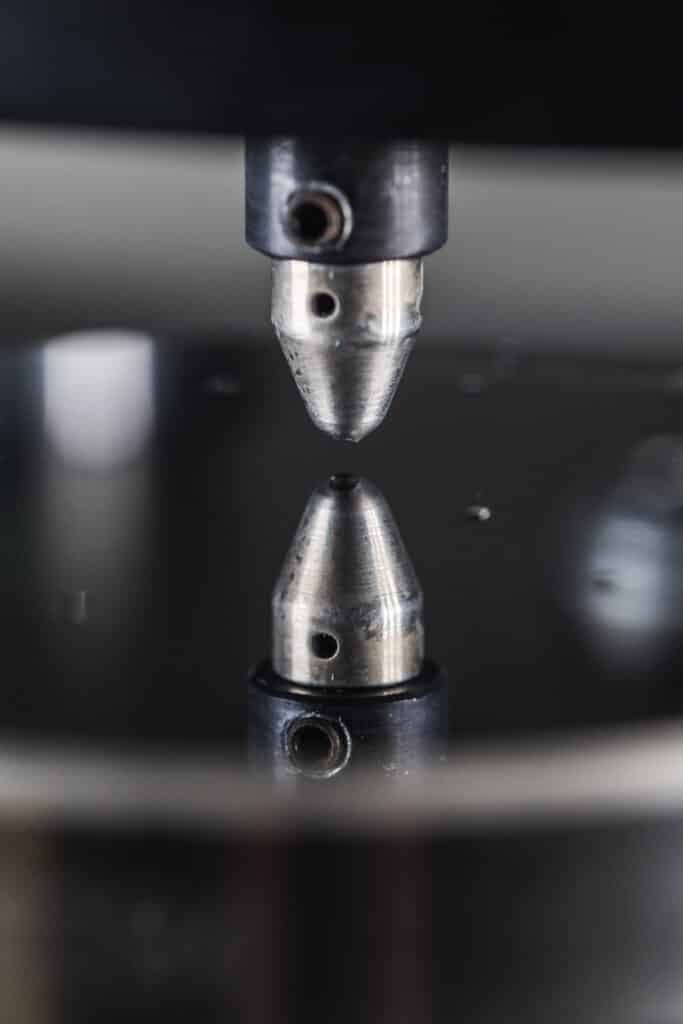
The most common manufacturing hardness testing method, the Rockwell is very used to test on finished products without significant damage, thanks to its shallow indentations. It is a quick and reliable test for manufacturing industries, offering 12 different methods with different loads and indenters so it can help analyse a range of materials. Rockwell hardness testing is widely used in manufacturing due to its speed and efficiency. It provides quick, reliable results, making it ideal for high-volume production and routine quality checks.

    • Applications: Steel, Aluminium and Brass.
    • Benefits: Non-destructive testing, suitable for a range of materials with different scales, and easy to perform with fast results. The Rockwell hardness testing method also offers precise results thanks to its diamond tip.
    • Limitations: Rockwell hardness testing is not suitable for thin materials or oddly shaped materials.
SHOP OUR BLOCKS NOW
manufacturing hardness test blocks

Brinell Hardness Test (HB)

Very used for larger or coarse-grained materials, the Brinell hardness test can be used in industries like forging, castings and large workpieces. Brinell is also suitable for soft materials like carbon steels and copper thanks to its larger indenter. Brinell hardness testing is well suited to larger components and materials with coarse grain structures, such as castings and forgings. It is commonly used in heavy manufacturing applications.

  • Applications: Cast iron, low carbon steels, aluminium, copper, some plastics.
  • Benefits: Good to test bulk materials with coarse grain structures.
  • Limitations: It requires more time than the Rockwell test, and it not suitable for small or thin materials.

Vickers Hardness Test (HV)

Different from Rockwell and Brinell, the Vicker hardness testing method is suitable for both thin materials and coatings, which makes it suitable for microhardness testing for precision manufacturing. Vickers hardness testing offers high precision and versatility, making it suitable for both macro and microhardness testing. It is particularly useful for evaluating small components and surface-treated materials.

  • Applications: Metals, alloys, plastics and ceramics.
  • Benefits: Precise and suitable for microhardness evaluations, the Vickers hardness testing method is also suitable for extremely thin materials. It is suitable for brittle materials, and great for quality control processes.
  • Limitations: Also requires more time in comparison to the Rockwell hardness testing method and requires polished surfaces.
SHOP OUR BLOCKS NOW

Why Choose Indentec for Your Manufacturing Hardness Testing Solutions?

Indentec is part of the ZwickRoell Group, and thanks to the years of industry, we have extended experience and expertise when it comes to hardness testing. We also offer high-quality products with next-day delivery available, all at a competitive price. Our expertise, advanced technology, and commitment to quality ensure that your hardness testing processes deliver dependable results at every stage of production.

For more information about our products and what we can offer to your business, do not hesitate to get in touch with us. Our team members will be happy to help with any questions you might have.

Contact us today for more information