What is the Rockwell Hardness Test?
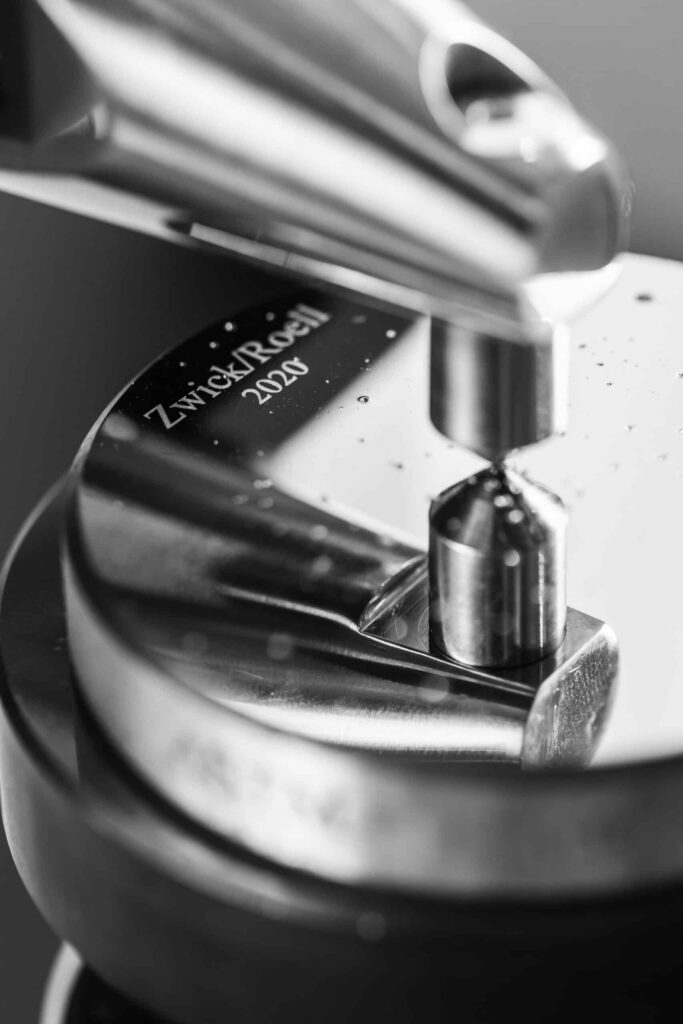
The Rockwell hardness test is a widely recognised method for measuring the hardness of metals and alloys by determining their resistance to indentation. The test uses a standardised indenter, applying a minor and a major load to press into the material’s surface, then measures the depth of penetration to calculate a hardness value. Invented in 1919 by Stanley Rockwell, this test is renowned for its speed, simplicity, and accuracy, making it a preferred method for quality control across multiple industries.Reasons To Choose The Rockwell Hardness Test
Hardness is a critical property influencing a material’s strength, wear resistance, machinability, and durability. The Rockwell hardness test offers several key advantages:- Fast and Non-destructive: Quickly delivers hardness results without causing significant damage.
- Versatile: Applicable for a wide range of materials, including steels, alloys, composites, plastics, and more.
- Standardised: Conforms to international standards like ASTM E18, ISO 6508, and others ensuring reliable, repeatable results.
- Multiple Scales: Rockwell offers various hardness scales (A, B, C, etc.) tailored to different materials and test conditions.
- Minimal Sample Preparation: Requires minimal surface preparation compared to other hardness tests like Brinell or Vickers.
How Does the Rockwell Hardness Test Work?
The test process involves:- Applying a Minor Load (Preload): This initial load ensures the indenter makes consistent contact with the sample, eliminating surface irregularities.
- Applying a Major Load: The major load is applied for a specific time, causing the indenter to penetrate the material.
- Measuring Indentation Depth: After removing the major load, the depth of the indentation is measured. The difference in depth under the major and minor loads corresponds to the material’s hardness.
- Calculating Hardness Value: The hardness number (HR) is calculated based on the penetration depth, and reported on the appropriate Rockwell scale (e.g., HRC for harder steels, HRB for softer metals).
Indentec’s Rockwell Hardness Test Blocks
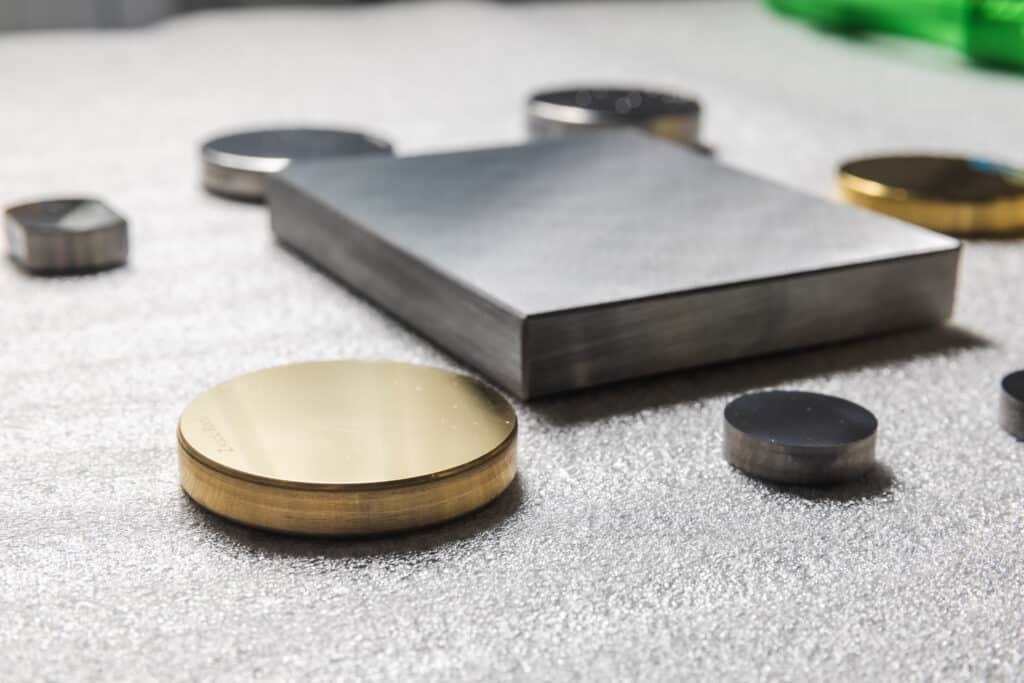
Indentec provides a comprehensive range of high-precision Rockwell hardness test blocks designed to ensure accurate calibration and verification of your Rockwell hardness testing equipment across various industries and applications.- Certified Standard Test Blocks: Manufactured to strict international standards, our test blocks deliver consistent, reliable reference values for routine calibration and quality assurance.
- Traceable Calibration Blocks: Each block is fully traceable to national and international hardness standards, providing confidence in your measurement accuracy and compliance.
- Wide Range of Hardness Values: Available in multiple hardness levels and scales (HRB, HRC, etc.) to match the specific requirements of your Rockwell hardness tester and material testing needs.
- Durable and Stable Construction: Made from high-quality alloys, our test blocks maintain their hardness and surface integrity over time, ensuring long-term reliability.
Applications of The Rockwell Hardness Test
Rockwell hardness testing is vital in multiple sectors, including:
- Automotive: Testing engine components, shafts, gears, and other critical parts to ensure durability and performance.
- Aerospace: Verifying material hardness for safety-critical aerospace components.
- Manufacturing: Quality control in metal fabrication, heat treatment, and machining processes.
- Construction: Ensuring the hardness of steel used in infrastructure projects.
- Tool and Die Making: Assessing the hardness of cutting tools and dies to extend their life and efficiency.
Why Indentec is Your Trusted Partner for Rockwell Hardness Testing
- Expertise and Experience With decades in the industry, Indentec offers unparalleled knowledge in hardness testing technology and applications. We understand your specific requirements and deliver tailored solutions.
- High-Quality Standards Our equipment meets stringent ISO and ASTM standards, ensuring your testing processes comply with global regulatory requirements.
- Comprehensive Support From initial consultation and equipment selection to training, calibration, and maintenance, our expert team supports you at every step.
- Innovation and Technology Indentec invests in the latest innovations to provide cutting-edge testers equipped with digital interfaces, automated measurement, and data connectivity.
- Global Reach, Local Service Our worldwide presence ensures prompt delivery and localised technical support wherever you operate.
Get in Touch with Indentec for Your Rockwell Hardness Testing Needs
Partner with Indentec to guarantee the precision and dependability of your Rockwell hardness testing equipment. Our certified Rockwell hardness test blocks enable your business to achieve accurate, repeatable measurements and maintain the highest standards of quality assurance.
Contact our expert team today to learn more about our Rockwell test blocks or to place your order with confidence.
We also specialise in Knoop, Brinell and Vickers hardness testing.
Contact us
Rockwell Hardness Test FAQs
What materials can be tested with the Rockwell hardness test?
The test is suitable for metals, alloys, plastics, and composites, with appropriate scale selection.
How accurate is the Rockwell hardness test?
When performed with calibrated equipment and trained personnel, it provides highly repeatable and precise hardness values.
What is the difference between Rockwell B and Rockwell C scales?
HRB uses a 1/16″ steel ball indenter for softer materials; HRC uses a diamond cone indenter for harder steels. For any other more specific questions about the different scales, get i touch with our team and we can talk you through it all.
Can Indentec help with calibration and maintenance?
Yes, Indentec offers comprehensive calibration, certification, and servicing programs to maintain your tester’s accuracy.