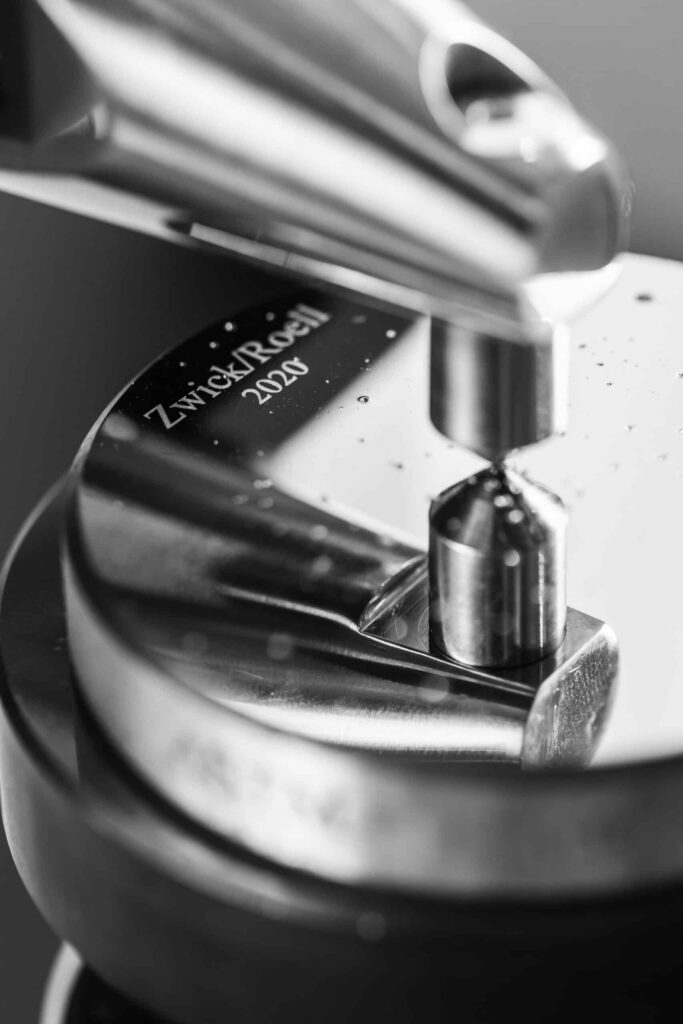
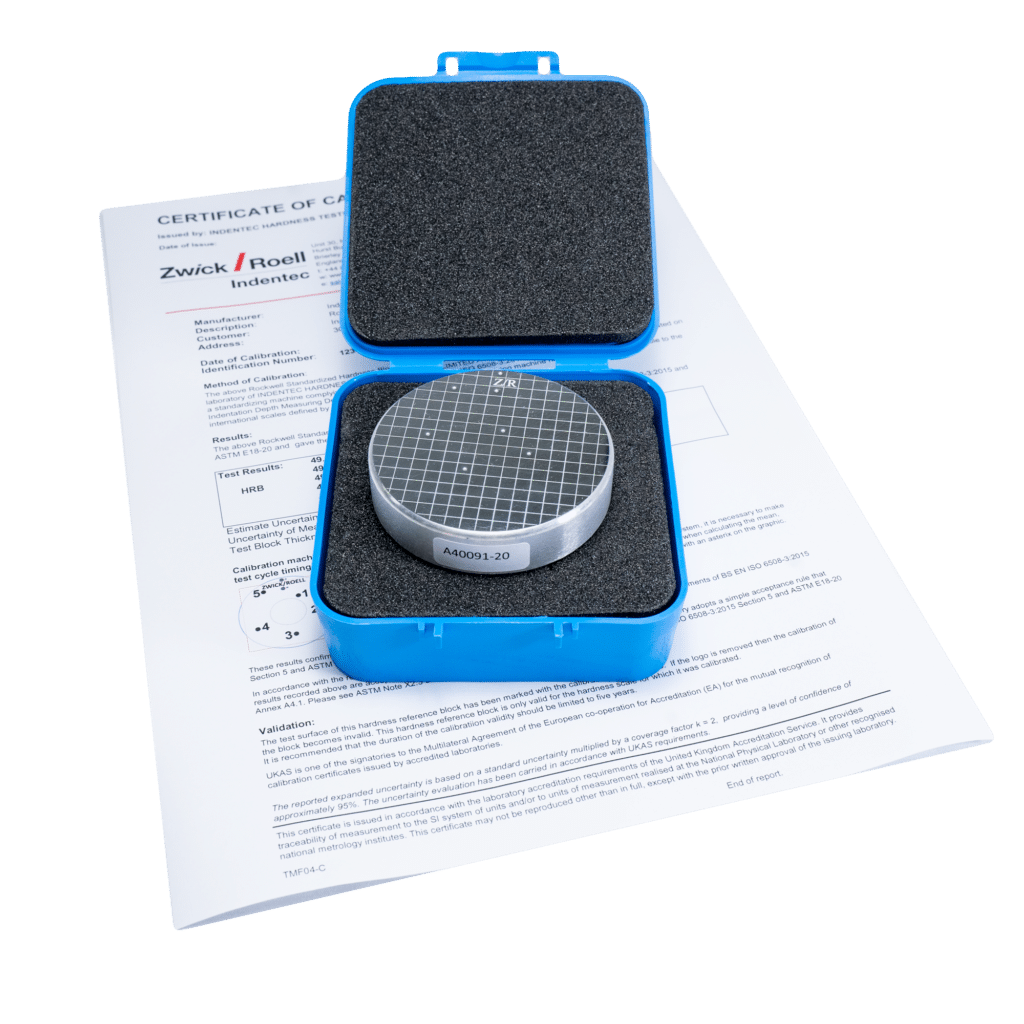
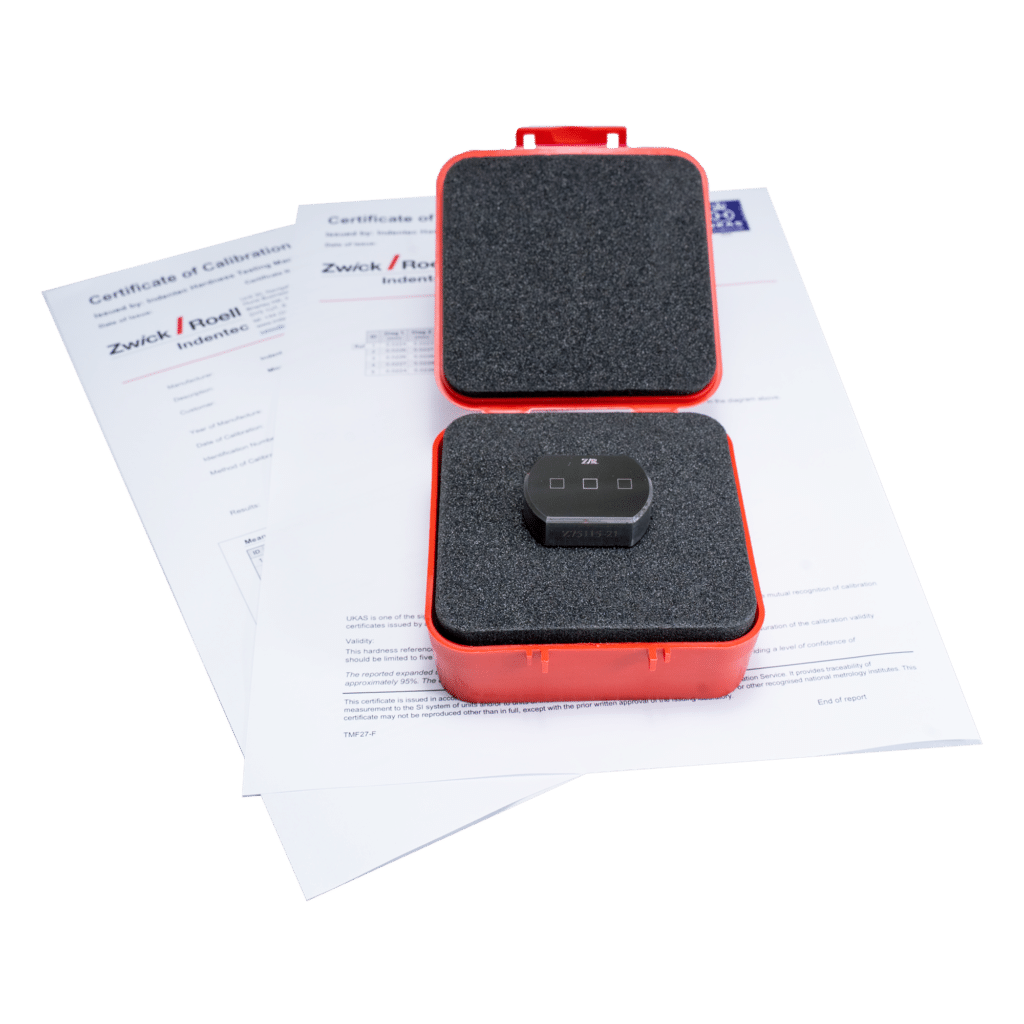
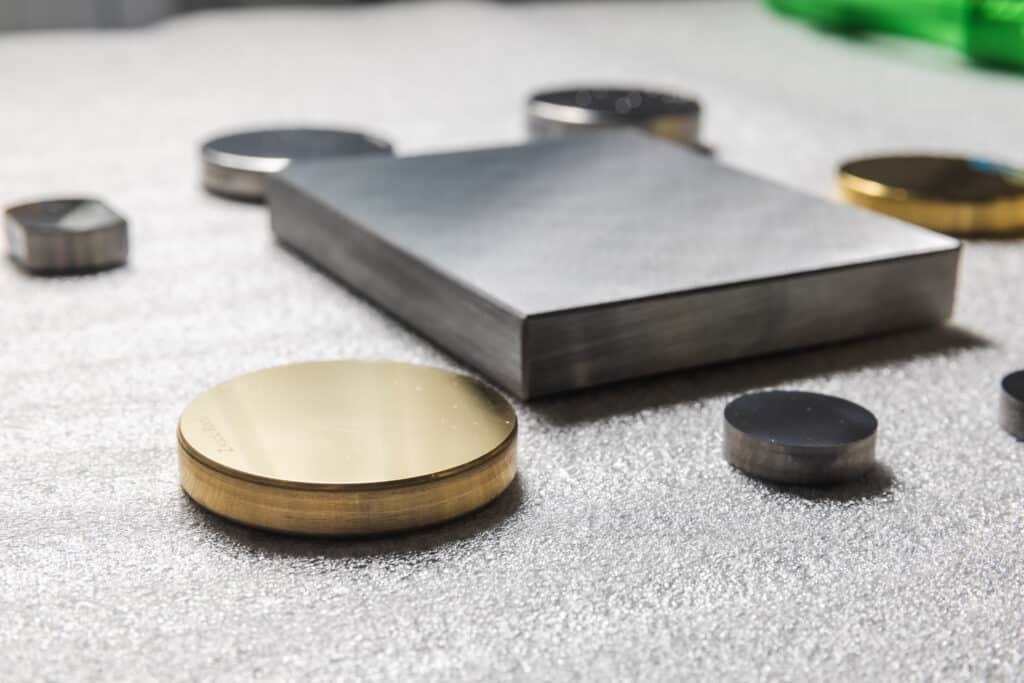
hardness test blocks West Midlands

Hardness Testing

Hardness Testing is a critical quality control process that is used across the industrial sector. It ensures that components can withstand the mechanical stresses they will be put under during their operational lifespan. Indentec, a specialist hardness test block manufacturer based in the heart of the United Kingdom’s engineering hub, has established itself in the design, production, and calibration of hardness testing solutions. By combining decades of British manufacturing heritage with cutting-edge technological innovation, Indentec provides the precision instruments and consumables necessary to maintain the highest standards of material verification.

To find out more about the hardness testing services we provide, or to receive advice on what calibrated test blocks you’re operations might need, get in touch with our expert team today. We’re always happy to help you through the process.

Contact a member of our team


The Importance of Professional Hardness Testing

Hardness testing is more than just a simple measurement; it’s an important process used to determine a material’s resistance to permanent indentation. This characteristic is directly linked to other vital mechanical properties, such as tensile strength, wear resistance, and ductility. For manufacturers and engineers, accurate hardness data is the foundation of safety and performance. Indentec offers a range of calibrated reference blocks to facilitate various testing methods, including Rockwell, Vickers, Brinell, and Knoop.

Indentec provides a level of expertise that extends beyond the sale of hardware. We work as a technical partner, offering bespoke engineering solutions and UKAS-accredited calibrations. This ensures that every measurement taken using an Indentec test block is traceable to national standards, providing the legal and technical assurance required in high-stakes industries.

Hardness Testing Methods

To ensure that equipment remains within the required tolerances, the use of high-quality hardness testing blocks is crucial. We specialise in the production of UKAS-accredited test blocks, which serve as the standards for daily machine verification and indirect calibration. These blocks are precision-engineered tools manufactured to exacting standards to produce the most accurate results.

Indentec’s test blocks are produced through a rigorous process involving specialised heat treatment, precision grinding, and diamond polishing. This ensures a high degree of surface uniformity and consistency in hardness across the entire block. By utilising these blocks, laboratories can perform daily checks to identify any potential drift or malfunction in their testing equipment before it impacts production quality.

The range of blocks available covers the full spectrum of hardness scales. For the Rockwell scale, which is widely used for its speed and simplicity, Indentec provides blocks across all standard and superficial ranges. For micro-hardness and macro-hardness applications, Vickers and Knoop blocks are manufactured with the mirror-finish required for accurate optical measurement of indentations. Furthermore, Brinell test blocks are available for heavy-duty applications involving materials with a coarser grain structure. Each block is issued with a UKAS calibration certificate, detailing the mean hardness value and the uncertainty of measurement, which is required for any facility operating under ISO 9001 or IATF 16949 quality management systems.

hardness test blocks

Rockwell Hardness Testing

One common technique for determining a material’s hardness is Rockwell hardness testing. It entails measuring the depth of penetration after indenting a material with a steel ball or diamond cone. In the manufacturing sector, Rockwell hardness testing is frequently used for material selection and quality assurance.

Brinell Hardness Testing

Another popular technique for determining a material’s hardness is Brinell hardness testing. A hardened steel ball is used to indent a material, and the diameter of the resultant indentation is measured. Cast iron and non-ferrous metals are examples of softer materials that are frequently tested using Brinell hardness testing.

SHOP OUR BLOCKS NOW

Vickers Hardness Testing

Vickers hardness testing is a flexible technique that may be applied to a variety of materials, including hard ceramics and soft metals. It entails using a diamond pyramid to indent a material and measuring the indentation’s diagonal length. Research and development frequently uses Vickers hardness testing.

Knoop Hardness Testing

In the Knoop Hardness Test, a small indentation is made on the surface of a material using a pyramid-shaped diamond indenter, which is then driven into the substance with a predetermined stress. Because it creates tiny indentations and enables an accurate evaluation of the material’s resistance, this test is very helpful for figuring out the hardness of thin or delicate materials.

SHOP OUR BLOCKS NOW

Industries Using Hardness Testing

Hardness testing is beneficial and utilised across a wide range of industrial sectors. Indentec’s test blocks are integrated into the workflows of some of the world’s most demanding industries, where the cost of material failure is prohibitively high.

Automotive Hardness Testing

Vital for the verification of drivetrain components, engine parts, and safety-critical fasteners. As the industry shifts toward lightweight materials and high-strength alloys, the ability to accurately profile the hardness of thin-walled components becomes essential. Indentec provides the specialised fixtures and automated systems required to handle high-volume automotive testing while maintaining absolute precision.

Forging and Casting Industries

Forged components, often used in heavy machinery and infrastructure, must possess a specific hardness profile to ensure they do not suffer from brittle fracture or excessive wear. By utilising Indentec’s Brinell and Rockwell hardness test blocks, forges can confirm that their quenching and tempering cycles have achieved the desired metallurgical transformation throughout the cross-section of the part.

General Engineering and Aerospace Manufacturing

In these fields, materials must perform under extreme temperatures and pressures. Whether it is testing the hardness of turbine blades or ensuring the integrity of structural airframe components, Indentec’s hardness testing services provides the repeatable data necessary to satisfy stringent aerospace audits. The manufacturing sector at large utilises these services to vet raw material suppliers, ensuring that incoming stock meets the specified hardness requirements before it enters the production line.

hardness test blocks

Why Choose Indentec For Hardness Testing Solutions

As a UK-based manufacturer with a global distribution network, we maintain total control over the quality of our hardness testing products, from the initial design phase to final assembly and calibration.

One of the primary benefits of working with Indentec is the access to our ISO/IEC 17025 accredited laboratory. This accreditation is the gold standard for testing and calibration laboratories, signaling that the facility is technically competent and able to produce valid results. When customers purchase Indentec equipment or test blocks, they are investing in a product backed by a laboratory that understands the nuances of material science and metrology.

Furthermore, Indentec’s ability to provide bespoke solutions sets them apart from «off-the-shelf» equipment providers. Many industrial components have complex geometries that do not lend themselves to standard testing tables. Indentec’s engineering team specializes in designing custom indenters, specialized clamping fixtures, and automated testing cycles tailored to specific component shapes. This bespoke approach reduces operator error and increases throughput, allowing for more efficient quality control processes.

Technical support and longevity are also core pillars of the Indentec service model. Hardness testers are long-term investments; Indentec ensures that these machines remain operational for decades by offering comprehensive maintenance, repair, and upgrade services. Even for older machinery, Indentec can often provide modern electronic retrofits, bringing legacy equipment up to modern data-handling and accuracy standards.

SHOP OUR BLOCKS NOW

Commitment to Quality and Standards Compliance

When it comes to hardness testing, compliance with international standards such as ISO 6506 (Brinell), ISO 6507 (Vickers), ISO 6508 (Rockwell), and ASTM E18 is non-negotiable. Our equipment is always at the forefront of regulatory requirements. By providing equipment that is inherently compliant, Indentec helps its clients navigate the complexities of international trade and industrial auditing.

The trust placed in Indentec by global blue-chip companies is a testament to their reliability. By focusing exclusively on hardness testing, they have cultivated a depth of knowledge that generalist laboratory suppliers cannot match. From the initial consultation to identify the correct testing scale, through to the provision of UKAS-certified test blocks and annual on-site calibrations, Indentec offers a complete lifecycle solution for material hardness verification.

Get Started Today With Indentec 

We provide the tools and the expertise necessary to ensure that every material, from the softest aluminum to the hardest tool steel, is characterised with absolute precision. By choosing Indentec, industries benefit from a partnership rooted in British engineering excellence, UKAS-accredited accuracy, and a dedicated focus on the science of hardness testing. Whether you are establishing a new quality control laboratory or seeking to optimise an existing production line, Indentec’s specialist solutions provide the definitive standard in material verification.

Contact our team today to learn more or to order your calibrated hardness test blocks.

Contact us
hardness test blocks from Indentec, West Midlands

Hardness Test Blocks FAQs

Hardness test blocks are precision-engineered samples with a known hardness value. They serve to calibrate and validate the performance of hardness testing machines, ensuring consistent and accurate readings.

In the calibration process, a hardness test block is positioned beneath the machine’s indenter, which then measures its hardness. The result is compared with the block’s certified hardness value, allowing verification that the testing machine delivers accurate measurements.

Hardness test blocks come in various shapes, such as cylindrical, rectangular, and spherical forms, and are made from materials like steel, tungsten carbide, or ceramics to suit different testing requirements.

To maintain measurement accuracy, it’s recommended to calibrate hardness testing machines at set intervals—typically once a year or after a defined number of uses—using certified hardness test blocks.